Rematando/ Closing it up

Ha pasado tiempo, tu cabeza se ha liberado un poco y tienes los consejos y opiniones de algunos lectores. ¿Qué hay que hacer? Corregir.

No penséis que es solo cambiar algunos errores, ojalá. Se trata de corregir, ampliar, quitar, recolocar… y estrujarte muchos los sesos. Mucho. Pensad que habéis terminado de hacer un puzle de muchas piezas y que, de repente, os cambian el dibujo y tenéis que rehacerlo. Algo así. Recolocáis una palabra, una frase, un párrafo, pero ya no os cuadra lo que tenéis antes ni lo que tenéis después.

Tened en mente que no será una sola revisión ni una sola corrección. Tendréis que hacer varias. Y, aun así, cuando hayáis terminado… No habréis terminado. Pero eso os lo contaré en el siguiente post.

“Todo el mundo dice que el error es el primer paso hacia el éxito, pero corregirlo es la escalera que te lleva a él”.

Biman Gandhi


It’s been some time, your head is free now and you have your readers’ advices and opinions. So what now? It’s time to for corrections.

Don’t think that it is just changing some mistakes, you wish. It is about correcting, adding, taking off, relocating… and wringing out your brain. A lot. Imagine that you have finished a big jigsaw puzzle and, unexpectedly, they change the drawing of the pieces and you need to do it again. Something like that. You relocate a word, a sentences or a paragraph, but then you need to relocate the previous or/ and the next ones.

Have in mind that it won’t be just one revision or just one correction. You will need to do more than one. And, even though, when you finish… You won’t finish. But I keep that part for the next post.

“Everybody says mistake is the first step to success, but correcting the mistake is the ladder to it”.

Birman Gandhi

¡He terminado el primer borrador!/ I have finished the first draft!

Después de poco (o mucho) tiempo, ya has puesto punto y final a tu libro. ¡Enhorabuena! Y, también, mis condolencias. “¿Por qué, si ya he terminado?” Siento deciros que no, que no habéis terminado ni mucho menos. Es más, os queda la que es (al menos para mí) la peor parte: las revisiones y/ o correcciones.

Antes, como una recomendación, os digo que no os lancéis a revisar nada más terminarlo, especialmente si es un escrito largo. Dejadlo reposar y, sobre todo, dejad que vuestras neuronas reposen. Mientras, podéis seleccionar a algunas víctimas que lean vuestra historia y que hagan de un primer filtro. Podrán apuntar errores que encuentren, haceros preguntas o comentarios que os ayuden a cambiar algunas partes o que, simplemente, os digan qué les parece. Con todo eso, os será mucho más fácil volver a sentaros al teclado.

“Puede que debas pelear una batalla más de una vez para ganarla”.

Margaret Thatcher


After a bit (or a lot) of time, you’ve written the final dot in your book. Congratulations! And, also, my comdolences. «Why? I’ve said I have finished!» I am afraid to tell you that you haven´t, you haven´t finished at all. Furthermore, you still have to do the (unless for me) worst part: revision and/ or correction.

Before so, as a recommendation, I ask you not to start right after you have finished. give it a rest and, more important, give your neurons a rest. In the meantime, you can select some victims to read your story and to be the first filter. They can spot some mistakes, make you some comments or questions that will help you to change some parts or, simply, they can tell you what they think about it. With all that, it will be much easier to come back to the keyboard.

«You may have to fight a battle more than once to win it».

Margaret Thatcher

El bloqueo/ The mental block

Estás escribiendo con cierta asiduidad, parece que todo va bien pero, sin esperártelo, te viene el bloqueo y no sabes cómo continuar.

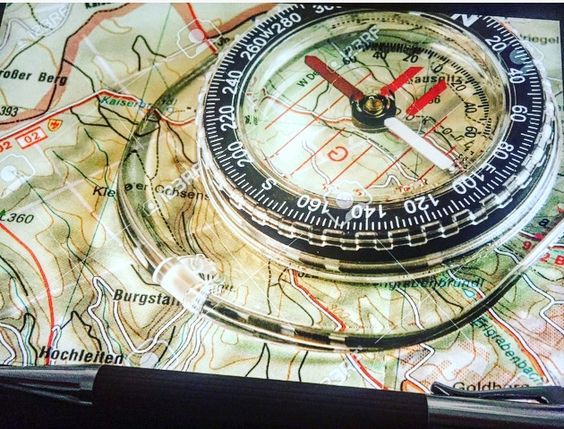
Aquí importa saber qué tipo de escritor eres. Puede que seas un escritor de brújula, es decir, que escribas la historia del tirón sin haber planificado antes; o puede que seas un escritor de mapa y que, antes de ponerte a escribir, hayas planificado cada detalle de la historia de la forma más minuciosa posible.

Si eres de los que planifican, estos bloqueos te ocurrirán menos o, de ocurrir, tendrás más fácil solventarlos. En cambio, si no tienes detalles de lo que va a ocurrir, comprobarás que te bloquearás incluso más de una vez.

¿Consejos? Muchos, me temo. Como ya os dije, yo escribí “El destino de Tamarán: Los reinos incógnitos” sin mapa y con una brújula recién adquirida y sin manual de instrucciones, así que me bloqueé en varias ocasiones. ¿Qué hice? Dejar que la historia reposara para, desde “lejos”, seguir pensando en ella. Hay veces en las que estar metido en medio de la tormenta nos impide ver las gotas de lluvia. Desde esa distancia, es más sencillo aclararse. Mientras pensáis, leed. Buscad historias que entren en el género que estáis escribiendo (a mí me vinieron genial las “Crónicas de Elric de Melniboné”, de Moorcock, y “La historia interminable”, de mi querido Ende). Buscad también blogs que os puedan ayudar, que nunca está de más. Por último, si veis que esa no es vuestra forma de escribir, pensad en haceros expertos en mapas… ¡Puede que sea la solución!

“Para tener éxito, la planificación sola es insuficiente. Uno debe improvisar también”.

Isaac Asimov


You are writing with some assiduity, it seems like it is working but, without even expecting so, you get a mental block and you don’t know how to keep writing.

Now is when we see the kind of writer you are. You can be a compass writer, so you write the story all at once without planning anything; or you can be a map writer and, before starting to write, you plan every single aspect of the story.

If you are in the second group, these blocks will happen less frequently or, in case they happen, it will be easier for you to sort them out. If you haven’t got any details of what will take place in your story, you will find these blocks quite often.

Advices? Many, I am afraid. As I told you, I wrote “The destiny of Tamarán: The incognito kingdoms” without any maps and with a just acquired compass without instructions, so I got blocked several times. What did I do? Leave the story breathe and, from “ouside”, keep thinking about it. Sometimes being in the middle of the storm doesn’t allow us to see the drops or rain. From the distance it is easier to see it clear. While you are doing this, read. Find stories with something to do with yours (I really appreciated reading “Elric of Melniboné’s chronicles”, by Moorcock, and “The neverending story”, by my beloved Ende). Find some blogs as well, it can help very much.

Last, but not least, if you find out that being a compass writer is not your thing, think about becoming experts on maps… It can be the solution!

“To succeed, planning alone is insufficient. One must improvise as well”.

Isaac Asimov

Orden, orden, orden/ Order, order, order

Si ya tenemos todo claro y nos lanzamos a escribir, mi consejo es que escribáis un esquema si no queréis que el proceso de escritura sea un completo caos. Os lo recomiendo porque yo no lo hice para escribir “El destino de Tamarán: Los reinos incógnitos” y fue algo de lo que siempre me arrepentí.

Si organizáis bien aspectos como los capítulos que vais a incluir y qué va a ocurrir (más o menos) en ellos o qué personajes van a aparecer y cómo van a ser, os aseguro que todo os resultará mucho más sencillo.

Pensad que, a no ser que seáis ya autores consagrados que podáis vivir de la literatura (y no creo que nadie así lea mi blog), no dispondréis de todo el tiempo que os gustaría para escribir. Por lo tanto, os veréis obligados a parar y a retomarlo varias veces y, si ese esquema no existe, os volveréis locos cuando volváis a la historia para continuarla.

Yo mismo intentaré hacerlo cuando escriba la segunda parte de la saga, parte que continuaré (porque, sí, ya está empezada) en cuanto pueda.

“En donde hay orden, hay carácter”.

Doménico Cieri Estrada


If you have clear everything and start to write, my advice is to write a scheme if you don’t want the writing process to be a complete chaos. It is my recommendation because I didn’t do it when I wrote “The destiny of Tamarán: The incognito kingdoms” and it was something I always regretted.

If you organize well aspects like the chapters you are going to include and what the are about or the characters and how they are, I assure you that everything will be much easier for you.

Don’t forget that, unless you are a renowned author able to live just writing (and I don’t think people with that profile read my blog), you won’t have all the time you’ll need to write. So, you will have to stop and re-start several times and, if that scheme doesn’t exist, you will get mad when you’ll need to continue the story.

I will try to follow my own advice when I’ll write the second part of the saga, which I’ll continue (because, yes, I have already started writing it) as soon as I can.

“Where you find order, there is character”.

Doménico Cieri Estrada


El principio/ The beginning

Ya tenemos la idea (aunque no sepamos muy bien dónde va a llegar) y decidimos empezar a llenar el folio de letras. ¿Miedo a comenzar? ¿Creemos que seremos incapaces? Los miedos se superan siendo valientes y no seremos capaces de nada si no lo intentamos.

Mi consejo es que, antes de ponernos a aporrear el teclado, dejemos que esa idea madure lentamente en nuestra cabeza. Podemos ir tomando notas en una libreta o en apps que sirvan para tal fin hasta que, finalmente, demos con la clave de cómo empezar.

Un buen amigo, escritor ya más que consagrado, me dijo que las primeras palabras de un libro eran fundamentales, porque eran la presentación a la lectura. Por eso, me aconsejó que pensara muy bien en ellas, que las escogiera con cariño y que intentara, en la medida de lo posible, captar la atención de posibles lectores. Una vez que sepamos cómo vamos a comenzar, todo será mucho más sencillo.

El inicio de “El destino de Tamarán: Los reinos incógnitos” os lo puse en una entrada de hace ya tiempo https://jorgepozosoriano.com/2013/11/13/el-destino-de-tamaran/ , pero os lo incluiré de nuevo ahora que la publicación está más cerca. ¡Ya me diréis qué os parece!

Hay instantes en los que la rueda de la vida puede dar un giro tan brusco que todo lo que nos rodea, sin apenas esperarlo, se desmorona ante nuestros propios ojos. Momentos en los que nuestra existencia se ve transformada de repente, sin que podamos hacer nada para evitarlo. De este modo, la vida de Gabriel cambió en un solo instante, en un solo momento, y ya nunca volvería a ser la misma.

– Papá, y ¿por qué?

– ¿Por qué, qué, hijo?

– ¿Por qué la gente tiene que morir?

– Gaby, la gente muere porque se hace mayor. Más que morirse es como acabárseles la vida, como una estrella a la que se le apaga la luz.

– ¿Y los niños? ¿Los niños por qué mueren?

– Los niños están llenos de luz, hijo, pero a veces esa luz también se apaga, y cuando sucede es algo tan incomprensible que la gente que conoce a ese niño también se queda casi a oscuras, también se va quedando sin luz.

Y así era como se sentía Ángel desde el accidente, en la más profunda oscuridad.

“Empieza donde estés. Usa lo que tengas. Haz lo que puedas”.

Arthur Ashe


We’ve got the idea (even if we don’t know where it will take us to) and we decide to start filling the page with letters. Afraid of start writing? Do we think we won’t be capable? Fears disappear being brave and we won’t be capable of anything if we don’t try.

My advice is that, before you start hitting the keyboard, you should let that idea ripen in your head. We can take notes on a notebook or using some apps designed to do so until the moment we, finally, reach the point where we want to start with.

A good friend, more than a renowned author, told me that the first words of a book were essential as they are the presentation of it. For that reason, he asked me to think carefully about those words, to choose them with love and to tray, as much as I could, to catch the reader’s attention. Once we know how to start, everything will be much easier.

The beginning of “The destiny of Tamarán: The incognito kingdoms” is on one of my old posts https://jorgepozosoriano.com/2013/11/13/el-destino-de-tamaran/ , but you can also read it underneath. You can say what you think about it!

There are some instants when the wheel of life can spin so sharply that everything surrounding us, without expecting anything at all, collapses just in front of our own eyes. Moments when our existence looks transformed all of a sudden, without being able to do anything to avoid it. That way, Gabriel’s life changed in just an instant, in just a moment, and it will never be the same anymore.

– Dad, and why?

– Why, what, son?

– Why people have to die?

– Gaby, people die because they get old. More than dying it is like running out of life, like a star loosing its light.

– And what about children? Why do children die?

– Children are full of light, son, but sometimes that light gets lost too, and when it happens, it is something so incomprehensible that people who know that child remain also nearly in the darkness, they also start loosing their light.

And that was exactly how Angel felt like since the car crash, lost in the deepest darkness.

“Start where you are. Use what you have. Do what you can”.

Arthur Ashe

El destino de Tamarán será una realidad/ The destiny of Tamarán will be a reality

Ninguna otra noticia podría haber sido mejor para volver de las vacaciones (siento el parón veraniego, lo necesitaba).

Ediciones Endymion (la misma editorial de «Las bufandas de Lina y otros cuentos animaladas») me ha dado el sí a esta saga de literatura fantástica y ya estamos trabajando para que pueda llegar a las librerías antes de la Navidad.

Os iré dando detalles según vayamos avanzando (quizás os interese saber cómo funciona el proceso de edición de un libro), pero cierro esta entrada con dos sorpresas:

Finalmente, este primer libro se titulará «El destino de Tamarán: Los reinos incógnitos».

Otra persona que ya anda trabajando en las ilustraciones es mi querida Marta Marbán de Frutos, y os va a dejar tan asombrados como a mí con su arte.

¡Un abrazo fuerte para todos y gracias por seguir ahí!

«Todos nuestros sueños pueden hacerse realidad si tenemos el valor de perseguirlos».

Walt Disney


Any other news could be better to come back from holidays (sorry for the summer break, I just needed it).

Endymion (the same publishing house of «Lina’s scarves and other animalated tales») is going to publish this fantasy saga and we are already working to be in bookshops before Christmas.

I will be giving you more details whilst we keep going on (you’ll probably like to know how editing a book works), but I close this post with two surprises:

Finally, this first book will be named «The destiny of Tamarán: The incognito kingdoms».

Another person working hard on the illustrations is my beloved Marta Marbán de Frutos, and you will be as shocked as I am with her art.

A big hug for all of you and thanks so much for being there!

«All our dreams can come true, if we have the courage to pursue them». 

Walt Disney

Un poquito de organización/ A bit of organization

Por si no os lo había dicho, escribir «El destino de Tamarán« fue una tarea muy, muy complicada. No solo por el hecho de que tuviera que inventarme por completo un mundo nuevo, con sus habitantes, sus reinos e, incluso, algunas especies vegetales sino porque fui un desastre. Lo escribí sin seguir ningún tipo de guión, solo llevado por las ideas que iban surgiendo. No era todo lo constante que quería ser por falta de tiempo, por lo que retomarlo después de semanas sin escribir era bastante complicado. Tuve que revisarlo, corregirlo y ampliarlo unas tres o cuatro veces porque me encontré con muchísimos errores (como era de esperar).

Ahora estoy muy contento con el resultado, pero estoy seguro de que, con un poquito de organización, me habría costado muchísimo menos.

Pero, como de todo se aprende, creo que la historia que estoy escribiendo ahora (¡ya llevo 106 páginas!) la llevo mucho mejor. Sigo un guión (más o menos, porque siempre me escapo un poco, aunque siempre vuelvo a él). Llevo todo organizado al máximo, el número de páginas por capítulo, los nombres de los personajes y los lugares de los que hablo… Vamos, que he madurado bastante a la hora de enfrentarme a una nueva historia.

Por el momento, los que lo están leyendo me dan la razón. Gracias, mamá, mi primera lectora siempre. Gracias, Sara, por esos análisis tan… «supergeniales», jeje. David, no sé a qué esperas, hijo… 😉

Ya no me queda demasiado para terminarlo (o eso creo), así que os seguiré informando…

¡Saludos para todos!

«Toma menos tiempo hacer una cosa bien que el tener que explicar por qué se hizo mal».

Henry Wadsworth Longfellow

Just in case I didn’t tell you, writing “El destino de Tamarán was a very, very tough task. Not only because I had to create a new world out of nothing, with its inhabitants, their kingdoms and, even, some plant species, but because I was a complete disaster. I wrote it without following any guide notes, only following the ideas that appeared day by day. I was not as constant as I would like to be due to the lack of time, so coming back to it after weeks without writing was quite complicated. I had to revise it, correct it and extend it three or four times because I found out may mistakes (as it was obvious).

Now, I am very happy with the result, but I am sure that, with a bit of organization, it would have been much easier.

But you can always learn something from every single moment, so I think that I am doing much better with the story that I am writing now (106 pages already!). I am following a guide (more or less, as I always step out of it, although I go back to it as soon as I can). Everything is more organized, the number of pages per chapter, the names of the characters and the places I write about… Well, I think now I am more mature when it comes to face a new story.

By the way, everyone that is reading it say I am right. Thanks, mum, always my first reader. Thanks, Sara, for your… “superbrilliant” analysis. David, I don’t know what are you waiting for, man… 😉

It won’t take me too long to finish it (or so I think), so I will keep you updated…

Hugs for everyone!

 «It takes less time to do things right than to explain why you did it wrong».

Henry Wadsworth Longfellow

¿Por qué los clásicos son clásicos?/ Why classics are classics?

Cuando leo entrevistas a autores, una de las preguntas que nunca falla es: ¿Qué otros autores te han inspirado? Y, al menos en lo que se refiere a la literatura fantástica, hay algunos autores que tampoco suelen faltar al dar la respuesta. J. R. R. Tolkien, J. K. Rowling, C. S. Lewis, Michael Moorcock, , George R. R. Martin, Michael Ende, Ana María Matute en nuestro país… Yo os pregunto, ¿qué tienen en común estos autores? Y la respuesta está en el título de esta entrada: son clásicos. ¿Por qué? Pues porque su obra no ha sido ni será un éxito momentáneo ni perecedero; no quedará en el olvido por mucho que el tiempo pase. Sus libros, sus personajes, los mundos que han creado… Todo eso permanecerá ahí, en la mente de todos los lectores. Son autores eternos con historias tan eternas como ellos mismos.

Hogwarts, Fantasía, Narnia… Elric de Melniboné, Gudú, Gandalf, los Stark… Todos lugares y personajes inventados, sacados de la mente de genios tan brillantes que, aunque fantásticos, los hicieron reales en nuestros corazones. ¿No os parece algo maravilloso?

Como espero que, algún día, me hagan a mí esa misma pregunta, cuáles son los autores que más me han influenciado a la hora de escribir, os adelantaré la respuesta: todos. Si han llegado a ser clásicos es porque han sido o son escritores geniales, son maestros, y de los maestros siempre hay que intentar aprender.

Por daros un nombre, os diré que uno de mis autores favoritos es Michael Ende. “La Historia Interminable” fue una fuente de inspiración inagotable mientras escribía “El destino de Tamarán”, y “Momo”… ¿Qué os podría decir de “Momo”? Pues que es uno de los mejores libros que jamás se han escrito, al menos para mí. Si no lo habéis leído, lo podéis apuntar en la lista.

¿Qué pensáis vosotros? ¿Cuáles son los autores que más os gusta leer o que más os ayudan a escribir? ¡Dejad vuestros comentarios!

“Porque el tiempo es vida, y la vida reside en el corazón”.

Momo, Michael Ende


When I read any interview to an autor there is a question that is always there: Who other authors have inspired you? And, at least when we talk about fantastic literature, there are some authors that are always there as well. J. R. R. Tolkien, J. K. Rowling, C. S. Lewis, Michael Moorcock, , George R. R. Martin, Michael Ende, Ana María Matute in Spain… And I throw a question to you all, what do these authors have in common? The answer is in the title of this post: they are classics. Why? Well, because their work is not a momentary or perishable success; it won’t be lost in the oblivion. Their books, their characters, the worlds they created… All of that will remain there, in the minds of every reader. They are eternal authors with stories as eternal as themselves.

Hogwarts, Fantasy, Narnia… Elric of Melniboné, Gudú, Gandalf, the Stark… All of them are invented places and characters, they all came up from genius minds, writers so brilliant that, even if they are fantastic, they made them real in our hearts. Don’t you think it is wonderful?

As I hope someone will ask me the same question one day, who are the authors that have had a strongest influence when I write, I will tell you the answer now: all of them. If they are classics is because they have been or they are magnificent writers, they are masters, and we are supposed to learn from masters.

If I have to give you a name, I would say that one of my favourite writers is Michael Ende. “The Neverending Story” was a never ending source of inspiration whilst I was writing “El destino de Tamarán”, and “Momo”… What could I say about “Momo”? Well, it is one of the best books that have been ever written, at least for me. If you have not read it yet, you can add the title to your checklist.

What do you think? Who are the authors that you enjoy reading the most or that help you when you write? Leave your comments!

“Because time is life itself, and life resides in the human heart”.

Momo, Michael Ende

Un poco de ayuda/ A little help

Ahora que “El destino de Tamarán” está terminado, he puesto a “trabajar” a mis correctores oficiales… David ya hizo una revisión a fondo que me ayudó muchísimo. Manuel también hizo lo propio, dándome consejos (como siempre) utilísimos. Almudena. Mónica. Sara. Felipe. Y, por supuesto, mi primera lectora… ¡Mi madre!

Después de la paliza mental que supone terminar cualquier texto, es normal que muchos errores, ya sean ortográficos, de estilo o de cualquier tipo, así que es muy aconsejable que unos ojos ajenos le echen un vistazo con papel y boli a mano para ir anotando lo que encuentren.

Creedme, aunque penséis que vuestros textos estén perfectos y sepáis que vosotros mismos los habéis revisado un millón de veces, seguirá habiendo errores que no podréis ver. Vuestros amigos o familiares, si están dispuestos, os ayudarán a encontrarlos.

Vosotros lo agradeceréis, vuestros textos, también, y si vuestra idea es mandarlo a alguna editorial, seguro que todo estará mucho más correcto y que también lo agradecerán.

Así que, ya sabéis, escribid, revisad y sobornad a vuestros allegados para que ofrezcan un poco de ayuda. Seguro que ellos, aunque no os lo digan, también os lo agradecen.

“Solo tenemos lo que damos”.

Isabel Allende

Now that “El destino de Tamarán” is finished, my oficial correctors are “working” on it… David made an intensive revision that helped a lot. Manuel also revised it, giving me some advises as useful as always. Almudena. Mónica. Sara. Felipe. And, of course, my first reader… My mum!

After the mental fatigue due to finishing a text, it is normal that many mistakes, ortographical, of stile or any other type, so it is very recomendable that other eyes can take a look at it with a pen and some paper to write down everything they find out.

Believe me, even if you think that your texts are perfect and you have revised them a million times, there will be some erros still that you will not be able to see. Your friends or family, if they want to do it, will help you to find them out.

You will be welcome, your texts will be as well, and, if your idea is sending them to a publishing house, you can be sure that they will be more correct and the editors will be welcome too.

So, write, revise the texts and blackmail your closest friends or family members to offer you a little help. They will be welcome as well, even if they do not say it.

“We only have what we give”.

Isabel Allende

Buscando la inspiración

Hay muchas veces que, al sentarnos a escribir, notamos que nos faltan las ideas. Hay momentos, rachas de «lucidez» en los que las palabras parecen escribirse solas, directamente de tu cabeza al ordenador. Hay otras épocas, de diversa duración, en los que parece que las musas nos dan la espalda y nos dificultan el trabajo. Picasso decía eso de «la inspiración existe, pero tiene que encontrarte trabajando» (hoy os vais a ir con dos frases en lugar de una), pero es cierto que hay algunos truquillos que, por lo menos a mí, ayudan bastante.

1) La música.

Me imagino que, como en todo, cada uno tendrá sus gustos y sus preferencias. Supongo, también, que depende de lo que se esté escribiendo, vendrá mejor un tipo de música u otro. En mi caso, al escribir (por el momento) fantasía, el cuerpo me pide escuchar a cantantes como Enya o Dido o, simplemente, música celta, alguna que invite a imaginar lugares mágicos. A veces también he escuchado algo de Evanesence, sobre todo en los momentos en los que hay alguna lucha. Como digo, la elección depende de muchos factores. ¿Tenéis alguna recomendación?

2) Los viajes.

Viajar a sitios desconocidos o volver a esos lugares que siempre nos han servido para pensar, para buscar algo de tranquilidad, es algo que siempre es bueno a la hora de buscar inspiración. Yo acabo de llegar de pasar cuatro días en Escocia, principalmente en Edimburgo, aunque también hemos podido ver algunos lagos, un castillo y un Parque Nacional. Es cierto que Edimburgo (según nos dijo el guía, la segunda ciudad más gótica del mundo, después de Bucarest) invita mucho a esa magia de la que os hablo. Los edificios, los bosques, la luz grisácea, incluso los cementerios son lugares impresionantes que no dejan a nadie indiferente. También cuenta el hecho de haberme podido tomar un café en «The elephant house», la cafetería donde J .K. Rowling escribió la mayor parte de Harry Potter, o que haya visto las tumbas de William McGonagall o de Tom Riddle en Greyfriars Graveyard, de donde sacó algunos de los nombres que luego emplearía. Saber que alguien como ella buscó la inspiración en esa ciudad para escribir toda la inmensidad de Harry Potter es algo muy, muy grande. Y solo os comento que mi próximo viaje es a Copenhague, ciudad en la que vivió Hans Christian Andersen la mayor parte de su vida…

3) El cine.

A veces el cine, los documentales y demás material audiovisual es una gran ayuda para buscar la inspiración. Buscad películas que tengan que ver con aquello que estáis escribiendo. Ved documentales de lugares a los que es difícil viajar y que creéis que os pueden servir. Para «El destino de Tamarán» la mayor parte de lo que he escrito ha salido de mi imaginación (aunque los recuerdos que tenemos siempre influyen), pero para un proyecto que tengo en mente voy a tener que ver muchos, muchos, muchos documentales… Algún día os contaré.

4) Los libros.

Qué os puedo decir que no os haya dicho ya sobre la importancia que tiene leer, en general, y, también, para inspirarnos. No voy a repetir lo mismo, que la entrada ya está siendo lo suficientemente larga, así que os remito el artículo que escribí para la gente de Boolino http://www.boolino.com/es/blogboolino/articulo/lee-lee-y-lee-escribe-escribe-y-escribe/ Al menos en mi caso, si en algún momento me atasco, leer algún libro de la misma temática que estoy escribiendo ayuda, y mucho. Si tengo que elegir un libro que me haya sido útil al estar escribiendo «El destino de Tamarán», me quedo con la saga de «Elric de Melniboné», de Michael Moorcock, saga que aprovecho para recomendaros a todos.

Como todo lo que escribo en este blog, esta entrada está enfocada a la escritura, pero seguro que todos aquellos que realicéis alguna actividad creativa tenéis también vuestros métodos para buscar inspiración, y me encantaría que los compartierais.  Siento que me haya extendido más de la cuenta… ¡Un abrazo a todos!

“La inspiración es un huésped que no visita de buena gana al perezoso”. 

Piotr Ilich Chaikovski