¡He terminado el primer borrador!/ I have finished the first draft!

Después de poco (o mucho) tiempo, ya has puesto punto y final a tu libro. ¡Enhorabuena! Y, también, mis condolencias. “¿Por qué, si ya he terminado?” Siento deciros que no, que no habéis terminado ni mucho menos. Es más, os queda la que es (al menos para mí) la peor parte: las revisiones y/ o correcciones.

Antes, como una recomendación, os digo que no os lancéis a revisar nada más terminarlo, especialmente si es un escrito largo. Dejadlo reposar y, sobre todo, dejad que vuestras neuronas reposen. Mientras, podéis seleccionar a algunas víctimas que lean vuestra historia y que hagan de un primer filtro. Podrán apuntar errores que encuentren, haceros preguntas o comentarios que os ayuden a cambiar algunas partes o que, simplemente, os digan qué les parece. Con todo eso, os será mucho más fácil volver a sentaros al teclado.

“Puede que debas pelear una batalla más de una vez para ganarla”.

Margaret Thatcher


After a bit (or a lot) of time, you’ve written the final dot in your book. Congratulations! And, also, my comdolences. «Why? I’ve said I have finished!» I am afraid to tell you that you haven´t, you haven´t finished at all. Furthermore, you still have to do the (unless for me) worst part: revision and/ or correction.

Before so, as a recommendation, I ask you not to start right after you have finished. give it a rest and, more important, give your neurons a rest. In the meantime, you can select some victims to read your story and to be the first filter. They can spot some mistakes, make you some comments or questions that will help you to change some parts or, simply, they can tell you what they think about it. With all that, it will be much easier to come back to the keyboard.

«You may have to fight a battle more than once to win it».

Margaret Thatcher

El bloqueo/ The mental block

Estás escribiendo con cierta asiduidad, parece que todo va bien pero, sin esperártelo, te viene el bloqueo y no sabes cómo continuar.

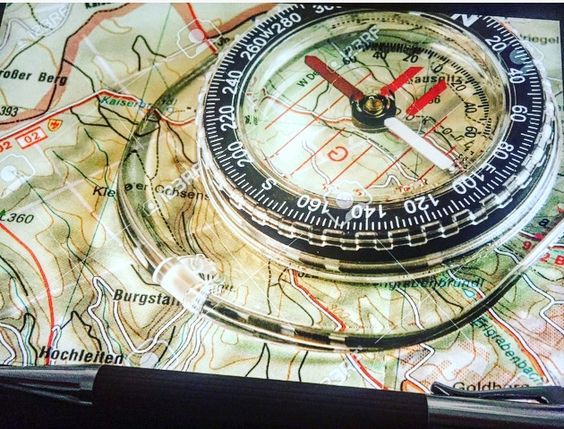
Aquí importa saber qué tipo de escritor eres. Puede que seas un escritor de brújula, es decir, que escribas la historia del tirón sin haber planificado antes; o puede que seas un escritor de mapa y que, antes de ponerte a escribir, hayas planificado cada detalle de la historia de la forma más minuciosa posible.

Si eres de los que planifican, estos bloqueos te ocurrirán menos o, de ocurrir, tendrás más fácil solventarlos. En cambio, si no tienes detalles de lo que va a ocurrir, comprobarás que te bloquearás incluso más de una vez.

¿Consejos? Muchos, me temo. Como ya os dije, yo escribí “El destino de Tamarán: Los reinos incógnitos” sin mapa y con una brújula recién adquirida y sin manual de instrucciones, así que me bloqueé en varias ocasiones. ¿Qué hice? Dejar que la historia reposara para, desde “lejos”, seguir pensando en ella. Hay veces en las que estar metido en medio de la tormenta nos impide ver las gotas de lluvia. Desde esa distancia, es más sencillo aclararse. Mientras pensáis, leed. Buscad historias que entren en el género que estáis escribiendo (a mí me vinieron genial las “Crónicas de Elric de Melniboné”, de Moorcock, y “La historia interminable”, de mi querido Ende). Buscad también blogs que os puedan ayudar, que nunca está de más. Por último, si veis que esa no es vuestra forma de escribir, pensad en haceros expertos en mapas… ¡Puede que sea la solución!

“Para tener éxito, la planificación sola es insuficiente. Uno debe improvisar también”.

Isaac Asimov


You are writing with some assiduity, it seems like it is working but, without even expecting so, you get a mental block and you don’t know how to keep writing.

Now is when we see the kind of writer you are. You can be a compass writer, so you write the story all at once without planning anything; or you can be a map writer and, before starting to write, you plan every single aspect of the story.

If you are in the second group, these blocks will happen less frequently or, in case they happen, it will be easier for you to sort them out. If you haven’t got any details of what will take place in your story, you will find these blocks quite often.

Advices? Many, I am afraid. As I told you, I wrote “The destiny of Tamarán: The incognito kingdoms” without any maps and with a just acquired compass without instructions, so I got blocked several times. What did I do? Leave the story breathe and, from “ouside”, keep thinking about it. Sometimes being in the middle of the storm doesn’t allow us to see the drops or rain. From the distance it is easier to see it clear. While you are doing this, read. Find stories with something to do with yours (I really appreciated reading “Elric of Melniboné’s chronicles”, by Moorcock, and “The neverending story”, by my beloved Ende). Find some blogs as well, it can help very much.

Last, but not least, if you find out that being a compass writer is not your thing, think about becoming experts on maps… It can be the solution!

“To succeed, planning alone is insufficient. One must improvise as well”.

Isaac Asimov

Noticias importantes/ Important news

Hago un breve paréntesis en medio de la serie de entradas sobre el proceso desde que se tiene la idea hasta que se publica el libro para contaros una noticia muy importante.

Mañana, lunes, empiezo a trabajar en un colegio nuevo. Intenté de todas las formas posibles recibir un salario justo (sí, justo, porque cobrar 300€ menos que el resto de tus compañeros no lo es), tener un contrato por lo concertado y no por lo privado, pero no ha habido manera.

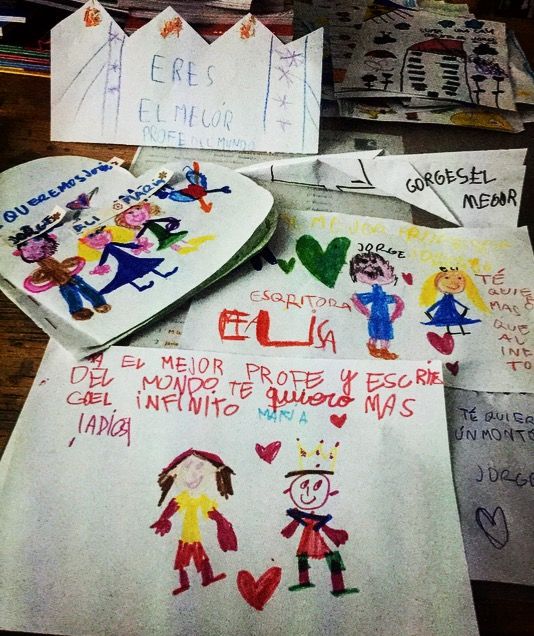
No quiero entrar en detalles negativos ni hablar de ciertas personas que ni merecen la pena ser nombradas. Simplemente quiero tener palabras de agradecimiento a la inmensa mayoría de mis compañeros, geniales profesores y mejores personas aún; a mis niños, que son los niños más bonitos del mundo y que me han dado tanto cariño en este mes y pico que me han desbordado, ¡siempre os recordaré!; y a los papás y mamás, que me han dejado sin palabras con sus palabras hacia mí y mi trabajo y me consolaron el viernes cuando no pude retener más las lágrimas y me rompí delante de ellos.

a39604bb8889affd867a0624477859b7

Gracias a todos por el cariño, el apoyo, los ánimos, la comprensión, los besos, los abrazos, los dibujos, los regalos… Gracias, gracias y mil gracias. A todos os llevaré ya siempre en el corazón.

“Las palabras nunca alcanzan cuando lo que hay que decir desborda el alma”.

Julio Cortázar


This is a small break in the middle of the series of posts about the process from the idea until the book is published to tell you something very important.

Tomorrow, Monday, I start working in a new school. I tried and tried to receive a fair salary (yes, fair, because earning 300€ less tan the rest of my colleagues is not fair at all), but I have not had any choice to have it.

I don’t want to get into the negative aspects and I am not going to talk about some people who don’t deserve to be even mentioned. I just want to have thankful words to the most of my colleagues, brilliant teachers and amazing people; my children, the most beautiful children in the world, and all the love they have given me in just a month and a few days, I always remember you!; and the parents, you have left me speechless with your kind words to me and my way of teaching and thanks for consoling me last Friday when I couldn’t control my tears.

a39604bb8889affd867a0624477859b7

Thank you all for the love, the support, the encouraging words, the comprehension, the kisses, the hugs, the drawings, the presents… Thanks, thanks and a million thanks. You will be in my heart forever.

“Words never reached when there is to say the soul overflows”.

Julio Cortázar

¡Ya estoy escribiendo!/ I am already writing!


Ya está. Ya lo has conseguido. Has sido capaz de empezar tu historia, esa que llevabas tiempo pensando y que, por fin,  has convertido en letras. Y, ahora, ¿qué?

Habrá quien te aconseje leer manuales de escritura, apuntarte a talleres, estudiar técnicas… Sí, puede ayudar y siempre es una opción, pero mi consejo es que, primero, te pruebes. Si has llegado hasta aquí, si has encontrado la idea, has planificado tu trabajo y te has sentado a escribir, hazlo. Hazlo y mira a ver qué ocurre. Puede que compruebes que necesitas algún tipo de ayuda o puede que el proceso de escritura fluya.

Pruébate. Tú mismo verás si eres capaz de terminar esa historia por ti mismo o si vas a tener que buscar algunos apoyos.

Si has leído mucho sobre el género que vayas a escribir, ya conocerás cómo funciona. Sigue leyendo y, sobre todo, sigue escribiendo.

“Las grandes cosas ocurren a aquellos que nunca paran de creer, de probar, de aprender y de ser agradecidos”.

Roy T. Bennett


It’s done. You got it. You have been able of starting your story, the one you were thinking about for that long and, at last, you have changed it into letters. And now, what?

Some people will tell you to read some writing manuals, to join a writing workshop, to study some techniches… Yes, it can help and it is always an option, but my advice is to, first, try yourself. If you have arrived to this point, if you have found the idea, you have planned your work and you have sitted to write, do it. Do it and see what happens. Maybe you find out that you need some help or maybe the writing process flows by itself.

Try yourself. You will see if you are able to finish the story by yourself ori f you will need to find some support.

If you have read a lot of books with the genre you are writing, you will know how it works. Keep on reading and, overall, keep on writing.

“Great things happen to those who don’t stop believing, trying, learning, and being grateful.”

Roy T. Bennett