¡He terminado el primer borrador!/ I have finished the first draft!

Después de poco (o mucho) tiempo, ya has puesto punto y final a tu libro. ¡Enhorabuena! Y, también, mis condolencias. “¿Por qué, si ya he terminado?” Siento deciros que no, que no habéis terminado ni mucho menos. Es más, os queda la que es (al menos para mí) la peor parte: las revisiones y/ o correcciones.

Antes, como una recomendación, os digo que no os lancéis a revisar nada más terminarlo, especialmente si es un escrito largo. Dejadlo reposar y, sobre todo, dejad que vuestras neuronas reposen. Mientras, podéis seleccionar a algunas víctimas que lean vuestra historia y que hagan de un primer filtro. Podrán apuntar errores que encuentren, haceros preguntas o comentarios que os ayuden a cambiar algunas partes o que, simplemente, os digan qué les parece. Con todo eso, os será mucho más fácil volver a sentaros al teclado.

“Puede que debas pelear una batalla más de una vez para ganarla”.

Margaret Thatcher


After a bit (or a lot) of time, you’ve written the final dot in your book. Congratulations! And, also, my comdolences. «Why? I’ve said I have finished!» I am afraid to tell you that you haven´t, you haven´t finished at all. Furthermore, you still have to do the (unless for me) worst part: revision and/ or correction.

Before so, as a recommendation, I ask you not to start right after you have finished. give it a rest and, more important, give your neurons a rest. In the meantime, you can select some victims to read your story and to be the first filter. They can spot some mistakes, make you some comments or questions that will help you to change some parts or, simply, they can tell you what they think about it. With all that, it will be much easier to come back to the keyboard.

«You may have to fight a battle more than once to win it».

Margaret Thatcher

El bloqueo/ The mental block

Estás escribiendo con cierta asiduidad, parece que todo va bien pero, sin esperártelo, te viene el bloqueo y no sabes cómo continuar.

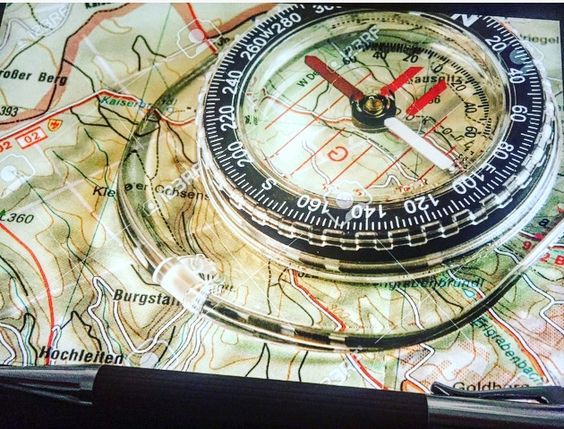
Aquí importa saber qué tipo de escritor eres. Puede que seas un escritor de brújula, es decir, que escribas la historia del tirón sin haber planificado antes; o puede que seas un escritor de mapa y que, antes de ponerte a escribir, hayas planificado cada detalle de la historia de la forma más minuciosa posible.

Si eres de los que planifican, estos bloqueos te ocurrirán menos o, de ocurrir, tendrás más fácil solventarlos. En cambio, si no tienes detalles de lo que va a ocurrir, comprobarás que te bloquearás incluso más de una vez.

¿Consejos? Muchos, me temo. Como ya os dije, yo escribí “El destino de Tamarán: Los reinos incógnitos” sin mapa y con una brújula recién adquirida y sin manual de instrucciones, así que me bloqueé en varias ocasiones. ¿Qué hice? Dejar que la historia reposara para, desde “lejos”, seguir pensando en ella. Hay veces en las que estar metido en medio de la tormenta nos impide ver las gotas de lluvia. Desde esa distancia, es más sencillo aclararse. Mientras pensáis, leed. Buscad historias que entren en el género que estáis escribiendo (a mí me vinieron genial las “Crónicas de Elric de Melniboné”, de Moorcock, y “La historia interminable”, de mi querido Ende). Buscad también blogs que os puedan ayudar, que nunca está de más. Por último, si veis que esa no es vuestra forma de escribir, pensad en haceros expertos en mapas… ¡Puede que sea la solución!

“Para tener éxito, la planificación sola es insuficiente. Uno debe improvisar también”.

Isaac Asimov


You are writing with some assiduity, it seems like it is working but, without even expecting so, you get a mental block and you don’t know how to keep writing.

Now is when we see the kind of writer you are. You can be a compass writer, so you write the story all at once without planning anything; or you can be a map writer and, before starting to write, you plan every single aspect of the story.

If you are in the second group, these blocks will happen less frequently or, in case they happen, it will be easier for you to sort them out. If you haven’t got any details of what will take place in your story, you will find these blocks quite often.

Advices? Many, I am afraid. As I told you, I wrote “The destiny of Tamarán: The incognito kingdoms” without any maps and with a just acquired compass without instructions, so I got blocked several times. What did I do? Leave the story breathe and, from “ouside”, keep thinking about it. Sometimes being in the middle of the storm doesn’t allow us to see the drops or rain. From the distance it is easier to see it clear. While you are doing this, read. Find stories with something to do with yours (I really appreciated reading “Elric of Melniboné’s chronicles”, by Moorcock, and “The neverending story”, by my beloved Ende). Find some blogs as well, it can help very much.

Last, but not least, if you find out that being a compass writer is not your thing, think about becoming experts on maps… It can be the solution!

“To succeed, planning alone is insufficient. One must improvise as well”.

Isaac Asimov

¿Por qué escribes un blog?/ Why do you write a blog?

Ya he conocido a varias personas que, al enterarse de que escribo un blog, me preguntan que por qué lo hago, y me parece un buen punto para escribir una entrada.

Es cierto que comencé a escribirlo a mediados del verano de 2013, cuando me confirmaron que iban a publicar «Las bufandas de Lina y otros cuentos animalados». El blog, pensé, me serviría para ofrecer algo más a mis posibles lectores. Sería una buena plataforma en la que darme a conocer, un lugar de encuentro para todo aquel que quisiera dejar algún comentario, pregunta o crítica. Quería ser más cercano, más real, y que aquellos que me leyeran supieran un poco más sobre quién soy y qué hago.

Como ya sabéis, mis cuentos aún no se han publicado (sigo cruzando los dedos), pero decidí seguir con el blog a pesar de todo, y lo hice por varias razones:

1) Porque me gusta escribir.

2) Porque el principal propósito por el que lo empecé seguirá estando ahí cuando consiga publicar, y habrá mucho más material.

3) Porque, sean muchos o pocos, tengo un buen número de lectores que están ahí cada semana desde más de sesenta países diferentes (os sigo pidiendo a los que me leáis desde esos países que me dejéis un comentario algún día, me haría mucha ilusión).

El «top ten» de los países que leen el blog

Así que, mientras esos tres motivos sigan estando ahí, continuaré publicando una nueva entrada cada semana. Por vosotros, por mis (futuros) libros y por mí.

«Prefiero ser un fracaso en algo que amo que un éxito en algo que odio».

 George Burns 


I have already met quite many people who, when they see that I write a blog, aske me why I do it, and I thik that is a good start to write a new post.

It is true that I started writing it in the summer of 2013, when “Lina’s scarves and other animalated tales” were confirmed to be published. The blog, I thought, would be useful to offer something more to my possible readers. It would be a wonderful platform to let people know more details about me, a meeting place for everyone who wanted to drop a message, question or critic. I wanted to be closer to them, more real, so these ones who read me could know who I am and what I do.

As you know, my tales have not been published yet (my fingers are still crossed), but I decided to keep writing the blog, and I did it due to several reasons:

!) Because I like writing.

2) Because the main intention will be still there when I will get published, and there will be much more information.

3) Because, many or not, I have an important number of readers who are there week after week from more than sixty different countries (I still would ask you to leave some words, I would be so glad if you did so).

Top ten of the countries that read the blog

So, until these reasons are there, I will keep publishing a post every week. For you, for my (future) books and for me.

«I’d rather be a failure at something I enjoy than a success at something I hate».

George Burns